

What should I consider when traveling with my child who has asthma?
Snacks? Check. Favorite toy? Check. Asthma Action Plan? Check. Here's what parents should know about traveling with a child who has asthma.
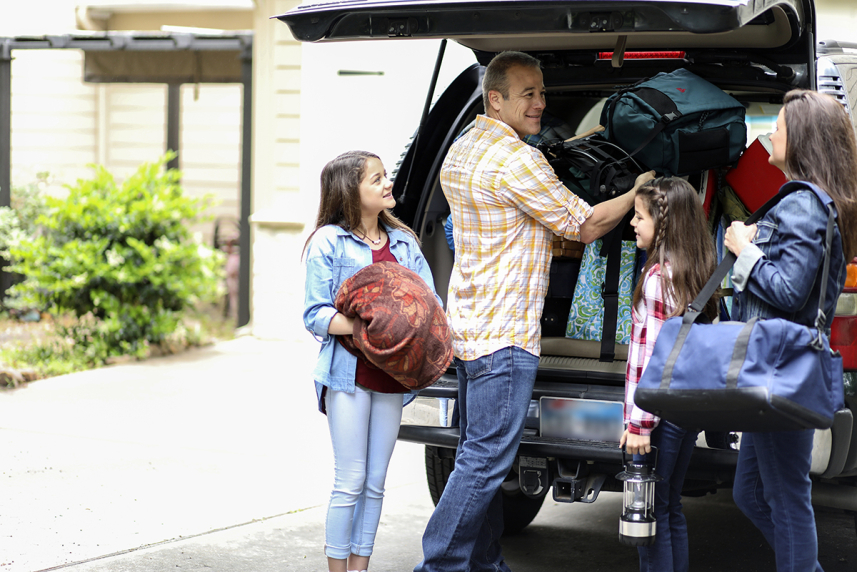
Whether you're heading out on a road trip or taking to the skies, family travel comes with a lot to remember. For parents of children with asthma, adding a few essentials to your packing list can help make the journey smoother.
Melanie Carver, chief mission officer at the Asthma and Allergy Foundation of America (AAFA), shares her top tips for preparing for travel, managing common asthma triggers, and helping your child stay safe and comfortable along the way.
How can families prepare before traveling?
Before leaving home, make sure your child's Asthma Action Plan is up to date.
It's also important to pack all of your child's asthma medications, including their quick-relief inhaler (sometimes called a rescue inhaler or puffer), Carver says. If you're traveling by plane, keep medications in your carry-on bag so they're always within reach.
To help medications remain effective, avoid leaving them in a parked car or other hot environments. Carver recommends transporting asthma medications in an insulated bag when possible to protect them from extreme temperatures.
Sticking with an in-network pharmacy can help reduce prescription costs. Find one near you or sign up for home delivery.
What medications, supplies, or other items do you recommend families bring?
If your child uses a quick-relief inhaler, make sure it's easily accessible throughout your trip. In addition to inhalers, pack any spacers, nebulizers, or other asthma equipment your child uses regularly.
Carver also recommends bringing:
- N95 masks, especially for air travel and other crowded indoor spaces
- Allergy medications
- Hand wipes or hand sanitizer
- A zippered allergy-proof pillow cover, particularly for children with dust mite allergies
How can a change in climate affect asthma symptoms?
Dry air can dry out the lining of the nose and airways and cause irritation, making breathing more difficult, Carver says. Changes in temperature can also irritate the airways and trigger asthma symptoms.
Helping your child stay hydrated is always important, but it can be especially beneficial when traveling to a dry climate, Carver says. If the air at your destination feels too dry, adding moisture through showers or baths may help. Wearing a face covering can also help warm and humidify the air your child breathes.
For longer stays, consider using a portable humidifier. Humidifiers should be cleaned regularly to help prevent mold and other allergens that can worsen asthma.
What travel-related asthma triggers should parents be aware of?
While traveling, children may encounter allergens and airway irritants that aren't present in their home environment. One important factor to monitor is air quality.
Check AirNow.gov for current air quality information and limit or avoid outdoor activities when the Air Quality Index (AQI) is above 100, Carver says. Even moderate air quality levels (AQI 51-100) can trigger asthma symptoms in some people.
If your child needs to be outside when air quality is unhealthy, consider having them wear an N95 mask, encourage them to stay hydrated, and keep their quick-relief inhaler readily available.

Medications Your Way
What steps should parents take if their child's symptoms flare up while traveling?
It's important to recognize asthma symptoms and treat them according to your child's Asthma Action Plan, Carver says.
Common asthma symptoms include:
- Shortness of breath
- Coughing
- Chest tightness or pain
- Wheezing (a whistling sound when breathing)
- Waking up at night because of asthma symptoms
- A drop in peak flow meter readings (if your child uses one)
- Difficulty exercising because of asthma symptoms
Parents should also watch for signs that their child's asthma is becoming more severe. According to Carver, the following symptoms may indicate that a child has entered the Asthma Danger Zone and needs immediate medical attention:
- Asthma symptoms that worsen quickly
- Quick-relief medications that aren't helping
- Worsening chest tightness or pain
- Severe shortness of breath
- Difficulty walking or talking because of shortness of breath
- Chest retractions (when the skin pulls in around the neck, chest, or ribs while breathing)
- Ribs or stomach moving in and out deeply and rapidly to draw in air
- Shoulders hunched over (sometimes called posturing)
Call 911 immediately if your child shows signs of not getting enough oxygen, including:
- A change in color around the lips, tongue, eyes, or nail beds (called cyanosis)
- Confusion or unusual drowsiness
The bottom line: Traveling with a child who has asthma doesn't have to be off-limits. With a little extra planning, you can help keep your child's asthma well controlled and focus on enjoying your trip together.
Meet the expert: Melanie Carver is the chief mission officer at the Asthma and Allergy Foundation of America (AAFA).
See our sources:
Asthma Action Plans: The American Lung Association
Asthma symptoms: Asthma and Allergy Foundation of America
Air quality index: AirNow