

How asthma may affect sleep (and what to do about it)
Waking up coughing, wheezing, or short of breath can be scary—especially in the middle of the night. Learn why symptoms may get worse at night and how to sleep easier.
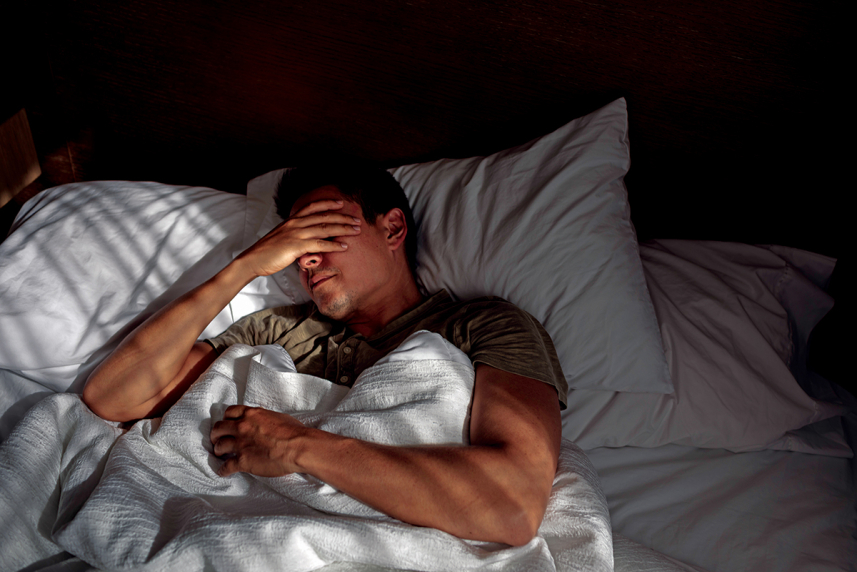
Why does asthma get worse at night?
There are few common reasons: When you lie down, your lungs may not expand as well, making breathing feel more difficult.
Your body also makes less cortisol at night. With lower levels, airway inflammation may increase, leading to more coughing or wheezing. Pet dander and dust mites in bedding can also worsen symptoms.
Symptoms to watch
- Nighttime coughing or wheezing
- Waking up short of breath
- Needing to use a rescue inhaler during the night
- Feeling very tired during the day
- Trouble falling or staying asleep
If symptoms wake you up more than twice a month, your asthma may not be well controlled.
Tips to sleep better
- Take your asthma medicines as prescribed. You can also ask your physician about adjusting the timing of your doses so you have more nighttime relief.
- Wash bedding regularly, reduce dust, and keep pets out of the bedroom.
- Follow a calming bedtime routine and avoid large meals or caffeine before bed.

Medications Your Way
Whether you need a local pharmacy or home delivery, find in-network options that make getting your prescriptions easy.