
Surprising foods that raise blood sugar (and what to eat instead)
Could your favorite meals be causing blood sugar spikes? Learn which foods have the biggest impact on your blood sugar.
You probably know that candy and soda can raise your blood sugar. But what about your morning bagel? A glass of fruit juice? Or the granola bar you grab between meetings?
Some foods that seem like healthy choices can cause blood sugar to rise faster than you might expect. But that doesn’t mean you have to swear off carbs or skip your favorite foods. A few key swaps can help keep your blood sugar stable while still leaving room for the foods you enjoy.
Why do some foods raise blood sugar faster than others?
It has to do with how your body breaks down food after you eat it. Foods made with refined grains and added sugars break down quickly, causing blood sugar to spike. Foods with fiber, protein, or healthy fats take longer for your body to digest, leading to a slower, steadier rise.
Think of it like a campfire. Kindling catches quickly and burns hot, while a thick log burns slowly and lasts longer. Some foods act like kindling, causing a quick rise in blood sugar. Others are more like a slow-burning log, helping keep blood sugar levels steady.
Which everyday foods can cause blood sugar spikes?
Desserts aren't the only foods that can send blood sugar climbing. Some everyday staples can have a similar effect because they're low in fiber or made with refined grains.
Some of the most common culprits include:
- Bagels
- Sugary breakfast cereals
- Fruit juice
- Snack bars with added sugar
- White bread
- White rice
- White pasta
- White flour tortillas
- Pretzels
- Potato chips
Coffee can affect your blood sugar, too. While black coffee contains very few carbs, caffeine affects everyone differently. If you notice your numbers tend to rise after your morning cup, it's worth mentioning to your physician.
Do I have to give up carbs?
Not at all. Your body needs carbs for energy. The goal is choosing carbs that digest slowly and provide fiber, vitamins, and minerals along the way.
Give these simple swaps a try:
| Instead of... | Have... |
| White bread | Whole wheat bread |
| White rice | Brown rice |
| Sugary cereal | Oatmeal with fruit |
| Fruit juice | Whole fruit |
| Potato chips | Kale or snap pea chips |
| Soda or sweet tea | Water with fruit inclusions |
Foods like beans, lentils, whole grains, fruit, sweet potatoes, peas, and corn all contain carbs. But because many also contain fiber, they usually have a gentler effect on blood sugar than highly processed foods.
The goal isn't perfection—it's building habits you can stick with. Eligible AvMed members can access personalized coaching through Omada for support along the way.
Are fruits and starchy vegetables off-limits?
No. Fruit sometimes gets a bad rap because it contains natural sugar. But that's only part of the story.
Unlike fruit juice, whole fruit also contains fiber. Fiber slows digestion, so natural sugars gradually enter your bloodstream.
The same idea applies to starchy vegetables like sweet potatoes and peas. They're packed with vitamins, minerals, and other nutrients that support overall health.
Instead of avoiding these foods, think about balance. Pairing fruit or starchy vegetables with protein or healthy fats—like yogurt, nuts or grilled chicken—can help slow digestion and make meals more satisfying.

Say Goodbye To Dinnertime Stress
Can I still have dessert?
Yes! Eating to support healthy blood sugar levels doesn’t mean dessert is off limits.
Instead of thinking of sweets as "good" or "bad," think about timing and portion size. Enjoying a small dessert with or shortly after a balanced meal may have less of an effect on blood sugar than eating sweets by themselves.
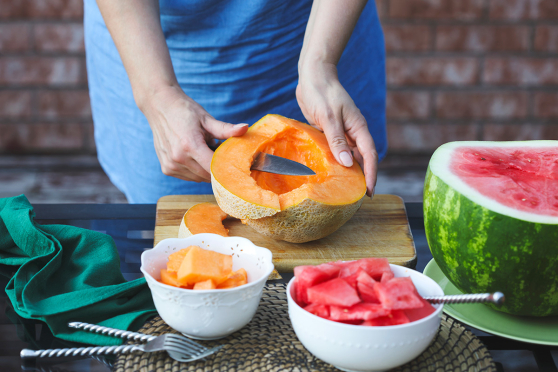
And when you're craving something sweet, fruit can often do the trick while adding fiber and nutrients.
How to build meals that support steady blood sugar
Creating blood-sugar-friendly meals doesn’t have to be complicated. Try the Diabetes Plate Method from the American Diabetes Association.
Start by dividing your plate into three sections:
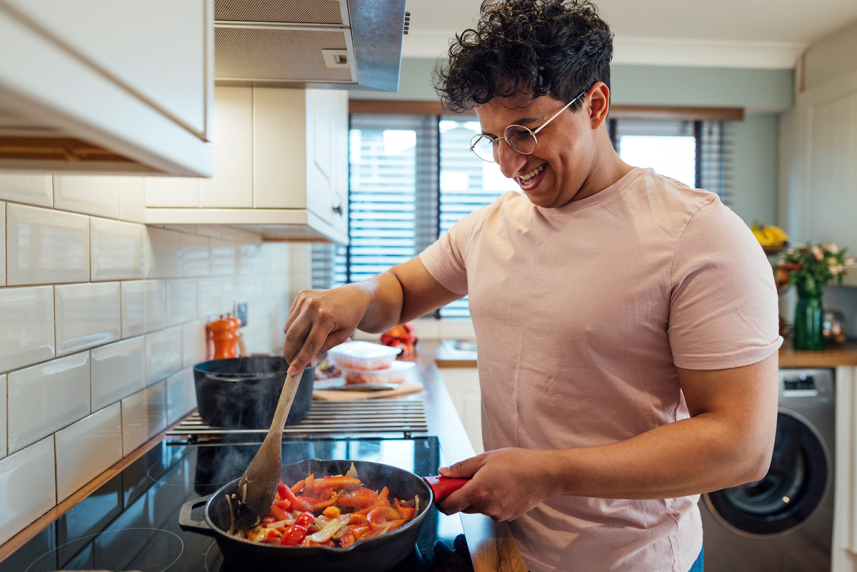
- Fill half your plate with non-starchy vegetables, like broccoli, peppers, tomatoes, mushrooms, or leafy greens. These foods are often high in fiber and can help you feel full for longer.
- Fill one-quarter with lean protein, like fish, chicken, eggs, beans, or lentils. Protein helps keep meals satisfying and can slow digestion when paired with carbs.
- Fill one-quarter with high-fiber carbs, like whole grains, fruit, starchy vegetables or beans. Fiber slows digestion, which can help prevent blood sugar from spiking.
Small, daily habits that make a big difference
Your plate is only one piece of the puzzle. A few everyday habits can also help keep blood sugar on a steadier path.
Try these simple strategies:
- Enjoy smaller, more frequent meals. Eating regularly gives your body a steady source of fuel and may help prevent large swings in blood sugar.
- Focus on fiber. Whole grains, fruits, vegetables, beans, nuts, and seeds can all help keep blood sugar levels steady.
- Take a short walk after meals. Even 10 to 15 minutes of movement can help your body use sugar for energy.
- Aim for 7-9 hours of sleep each night. Maintaining a consistent sleep schedule supports many aspects of your health, including healthy blood sugar.
- Make water your go-to drink. Replacing sugary drinks with water is one of the simplest ways to cut back on added sugar.
See our sources:
High blood sugar: Cleveland Clinic
Surprising things that spike your blood sugar: Centers for Disease Control and Prevention
Tips for eating well: American Diabetes Association
Can people with diabetes have dessert? Centers for Disease Control and Prevention
How walking after eating impacts your blood sugar: Cleveland Clinic
What is the diabetes plate: American Diabetes Association