

Quick refresh: Hurricane prep tips
You can’t prevent natural disasters, but you can prepare for them. Learn simple steps you can take now to help manage your health during an emergency.
When a hurricane is on the way, it’s normal to feel uneasy. You may be thinking about your home, family, and what could happen next. If you’re managing a chronic health condition, preparing for a storm may also mean thinking about medications and access to care if routines are disrupted.
Taking a few simple steps now can help you stay safe and keep your health on track if a storm hits.
1. Create or update your emergency plan
Hurricanes often require evacuations. So the first step is to decide where you will go and when you’ll leave. Make sure everyone in your household knows what to do.
2. Stock a “go” bag
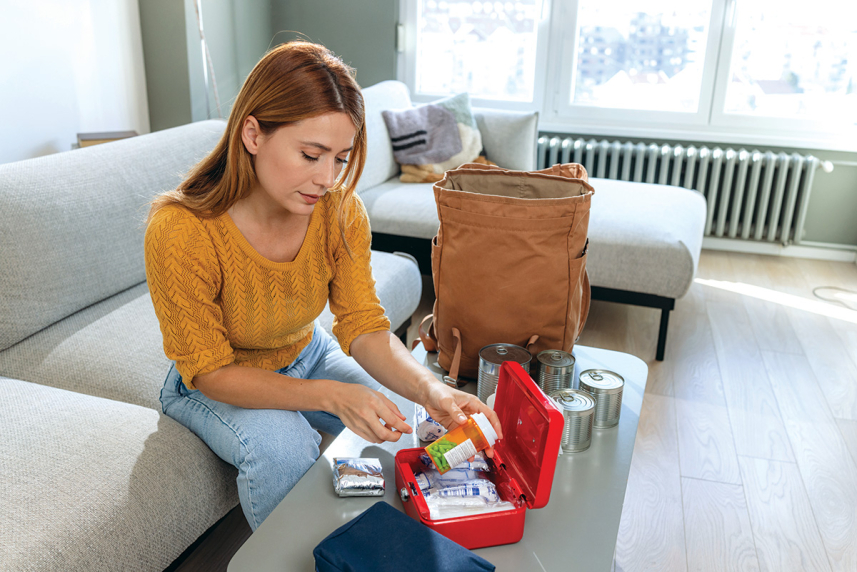
Having a few essentials already packed can save time if you need to move quickly. Include:
- Water
- Nonperishable food
- A basic first aid kit
- Flashlights and extra batteries
- A battery-powered or hand-crank radio
- A phone charger or backup power source
- Emergency contacts
Store important documents in a waterproof bag or small bin.
3. Plan for your health needs
A basic emergency kit is a good start—but it may not be enough. Below are some condition-specific steps that can help you prepare.
Heart failure
- Bring medications with you if you need to evacuate.
- Watch for symptoms such as swelling, sudden weight gain, or difficulty breathing.
- Follow any sodium limits recommended by your physician, including when choosing shelf-stable foods.
Heart disease
- Keep medications within reach.
- Bring medications with you if you need to evacuate.
- Avoid overexertion during evacuation, cleanup, or recovery when possible.
- Pay attention to symptoms such as chest pain or shortness of breath.
Diabetes
- Have extra insulin and quick snacks on hand.
- If you use a glucometer, check your blood sugar more often during stress or changes in routine.
- Store insulin according to package directions. Keep cool (in a cooler with ice or with an ice pack) if power is lost.
Asthma
- Bring quick-relief and daily controller inhalers if you need to evacuate.
- Limit exposure to smoke, dust, mold, and other poor air-quality conditions when possible.
- Try to avoid known triggers during cleanup or recovery.
COPD
- Pack your inhalers, medications, and other supplies first so they’re not left behind.
- Consider wearing an N95 mask if you’re in a crowded shelter or when the air quality is poor (common after a storm).
- Follow your COPD action plan.
4. Sign up for alerts
Staying informed can help you make safe decisions. Registering for text alerts from local emergency management agencies (such as your county emergency office) can help keep you updated before and after the storm.

Unlock Better Sleep With Calm Health
See our sources:
What to do before the storm: National Weather Service
Hurricane safety: The American Red Cross
Storm safety: Cleveland Clinic
Diabetes care during emergencies: Centers for Disease Control and Prevention
Lung disease and natural disasters: American Lung Association
Asthma and natural disasters: Allergy and Asthma Network
Heart health during and after natural disasters: American Heart Association
Alerts and warnings: Ready.gov